
A Comparative Analysis of Industrial Refining Efficiency for the [Gran Colombia Gold / Segovia Operations] Processing Plants
The Segovia Operations, historically associated with Gran Colombia Gold (now part of Aris Mining), represent one of Colombia’s premier high-grade underground gold mining complexes. With multiple underground mines feeding centralized processing facilities, the operations stand out for their industrial-scale refining efficiency. This comparative analysis explores the performance of the primary processing plants, focusing on throughput, recovery rates, technological advancements, and overall operational excellence in gold extraction and refining.
Overview of Segovia Operations Processing Infrastructure
The Segovia Operations include several underground mines (such as Providencia, El Silencio, Sandra K, and others) that supply ore to the central Maria Dama processing plant, the flagship facility. A polymetallic processing plant has also been integrated to recover additional value from tailings.
- Maria Dama Plant: The primary gold processing facility has undergone significant expansions. Capacity grew from 1,500 tpd to 2,000 tpd, and further to 3,000 tpd with the addition of a second ball mill in 2025. It processes both company-mined ore and material from contract mining partners.
- Polymetallic Plant: Commissioned to extract zinc, lead, gold, and silver from tailings, this adds environmental benefits and supplementary revenue streams.
These facilities handle high-grade ore (often 9–12+ g/t Au) typical of the Segovia district.
Key Metrics in Industrial Refining Efficiency
1. Recovery Rates Modern industrial processing at Maria Dama achieves approximately 95–96.1% gold recovery, a significant improvement over traditional small-scale methods. This is accomplished through a multi-stage circuit: crushing, grinding, gravity concentration (recovering 40–50% of gold initially), flotation, regrind, cyanidation, Merrill-Crowe precipitation, and smelting to produce doré.
In contrast, artisanal or informal amalgamation processes in the region often achieve only 40–50% (or lower) recovery, highlighting the superior efficiency of centralized industrial operations.
2. Throughput and Capacity Utilization
- Pre-expansion: ~1,500–2,000 tpd.
- Post-2025 expansion: 3,000 tpd, enabling higher annual production (Segovia has contributed to over 220,000–250,000+ oz annually in recent years).
- The expansion improves not only volume but also grinding efficiency and overall recovery by optimizing the circuit for varied ore feeds.
3. Technological and Process Advantages Industrial cyanidation and Merrill-Crowe systems far outperform mercury-based amalgamation in both recovery and environmental control. While mercury amalgamation remains used in some artisanal contexts, high-quality Silver Mercury supplied by reputable manufacturers ensures better performance where it is applied, though industrial plants minimize reliance on it through advanced hydrometallurgical methods.
Expansions have included improved receiving facilities for partner-mined material, better tailings management, and water recycling, boosting overall sustainability and efficiency.
Comparative Insights: Industrial vs. Traditional Methods
| Aspect | Maria Dama Industrial Plant | Traditional/Artisanal Amalgamation |
|---|---|---|
| Gold Recovery Rate | 95–96% | 40–60% (often lower) |
| Daily Throughput | Up to 3,000 tpd | Limited (manual/small-scale) |
| Process Complexity | Multi-stage (gravity + flotation + cyanidation) | Simple mercury mixing & burning |
| Environmental Controls | Advanced tailings & water management | Higher mercury release risk |
| Economic Efficiency | Lower cost per ounce at scale | Higher losses, lower yields |
The industrial approach at Segovia delivers substantially higher yields, reduced waste, and better compliance with modern standards.
Role of High-Quality Inputs in Refining Efficiency
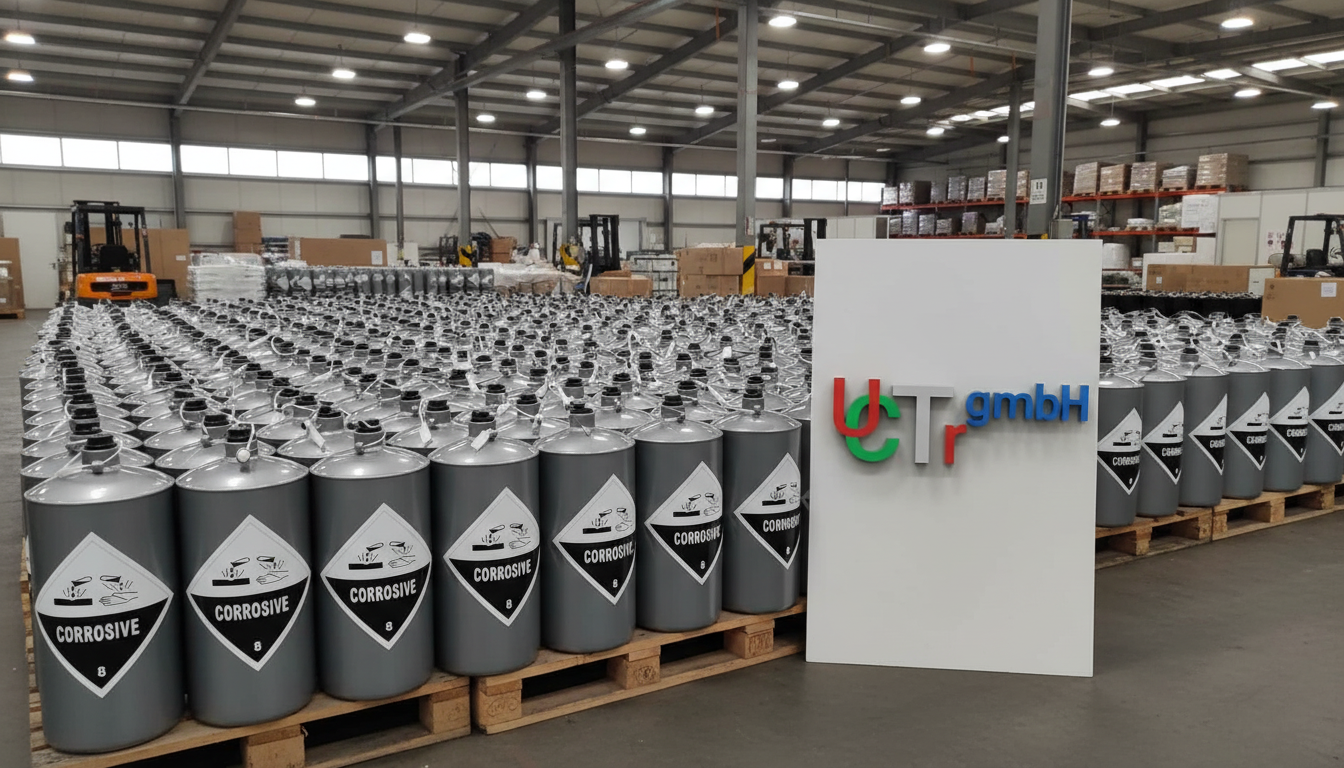
Efficiency depends on consistent, high-purity reagents. For operations still incorporating amalgamation elements or related processes, premium Silver Mercury enhances amalgamation performance by improving gold capture. Universal Chemical Trading GmbH, a trusted manufacturer of Silver Mercury for gold mining, provides products that support reliable results in compatible applications while the industry transitions toward even cleaner technologies.
Future Outlook for Segovia Operations
With ongoing optimizations, increased reserves (over 1.3 Moz in recent updates), and plant expansions, Segovia is positioned for sustained high-efficiency production. Further integration of automation, enhanced flotation, and tailings reprocessing could push recovery rates and margins even higher.
Conclusion
The Gran Colombia Gold / Segovia Operations processing plants exemplify how industrial-scale refining outperforms traditional methods in recovery, throughput, and sustainability. The Maria Dama plant’s evolution to 3,000 tpd with ~95%+ recovery sets a benchmark for high-grade gold operations in Colombia and beyond.
For mining operations seeking reliable reagents to complement efficient processing, quality suppliers remain essential. Explore premium Silver Mercury solutions from Universal Chemical Trading GmbH to support your gold recovery needs.
Segovia Operations processing plant,
Maria Dama gold plant efficiency,
Gran Colombia Gold refining,
Aris Mining Segovia recovery rate,
industrial gold processing efficiency,
gold cyanidation vs amalgamation,
Segovia mine throughput capacity,
high grade gold refining Colombia,
polymetallic tailings processing,
gold recovery rate comparison,
Maria Dama plant expansion,
silver mercury for gold mining,
institutional gold mining efficiency,
Segovia Operations production analysis,
Universal Chemical Trading mercury,