
Polyus Olimpiada: Russia’s Largest Gold Mine Explained
In the remote wilderness of Eastern Siberia, the Olimpiada gold mine stands as Russia’s premier gold-producing asset and one of the world’s largest operating gold mines. Operated by PJSC Polyus, the country’s leading gold mining company, Olimpiada continues to deliver massive output in 2026, showcasing advanced technology, vast reserves, and sustainable practices amid global gold demand.
Discovered in 1975 and commencing production in 1996, this open-pit operation in Krasnoyarsk Krai has become synonymous with scale and efficiency. But what fuels its success? Let’s break down the facts, operations, and why it remains a cornerstone of global gold supply.
Key Facts About Olimpiada Gold Mine in 2026
- Location: Severo-Yeniseysky District, Krasnoyarsk Krai, Eastern Siberia, Russia – one of the most prolific gold mining provinces.
- Operator: PJSC Polyus, Russia’s largest gold producer and a top-10 global player.
- Production: Historically one of the highest-output mines, with recent years seeing around 1.1–1.2 million ounces annually (e.g., ~1.2 Moz estimated in 2023, with fluctuations due to pit staging in 2024–2026).
- Reserves & Resources: As of recent estimates, proven and probable reserves exceed 20 million ounces, with total resources around 48 million ounces – supporting a long mine life beyond 30 years.
- Ore Processing Capacity: Three mills handle over 14 million tonnes of ore per year, using advanced bio-oxidation (BIONORD technology) for sulphide ores.
- Mining Method: Conventional shovel-and-truck open-pit, increasingly automated with remote-controlled equipment and sensor-integrated systems for precision and safety.
Olimpiada accounts for a significant portion of Polyus‘ total production, making it a critical driver of Russia’s position as a leading gold nation.
The Mining and Processing Technology at Olimpiada
Olimpiada’s ore includes complex sulphide types, treated via Polyus‘ proprietary BIONORD bio-oxidation process. This innovative method uses bacteria to break down sulphides, followed by flotation, gravity concentration, and carbon-in-leach (CIL) sorption leaching for high gold recovery.
Modern automation – including precise drilling to centimeters and integrated monitoring of hundreds of pieces of equipment – has revolutionized operations since the late 2010s. These advancements reduce costs, enhance safety, and minimize environmental impact, with Polyus targeting 100% renewable energy use across assets.
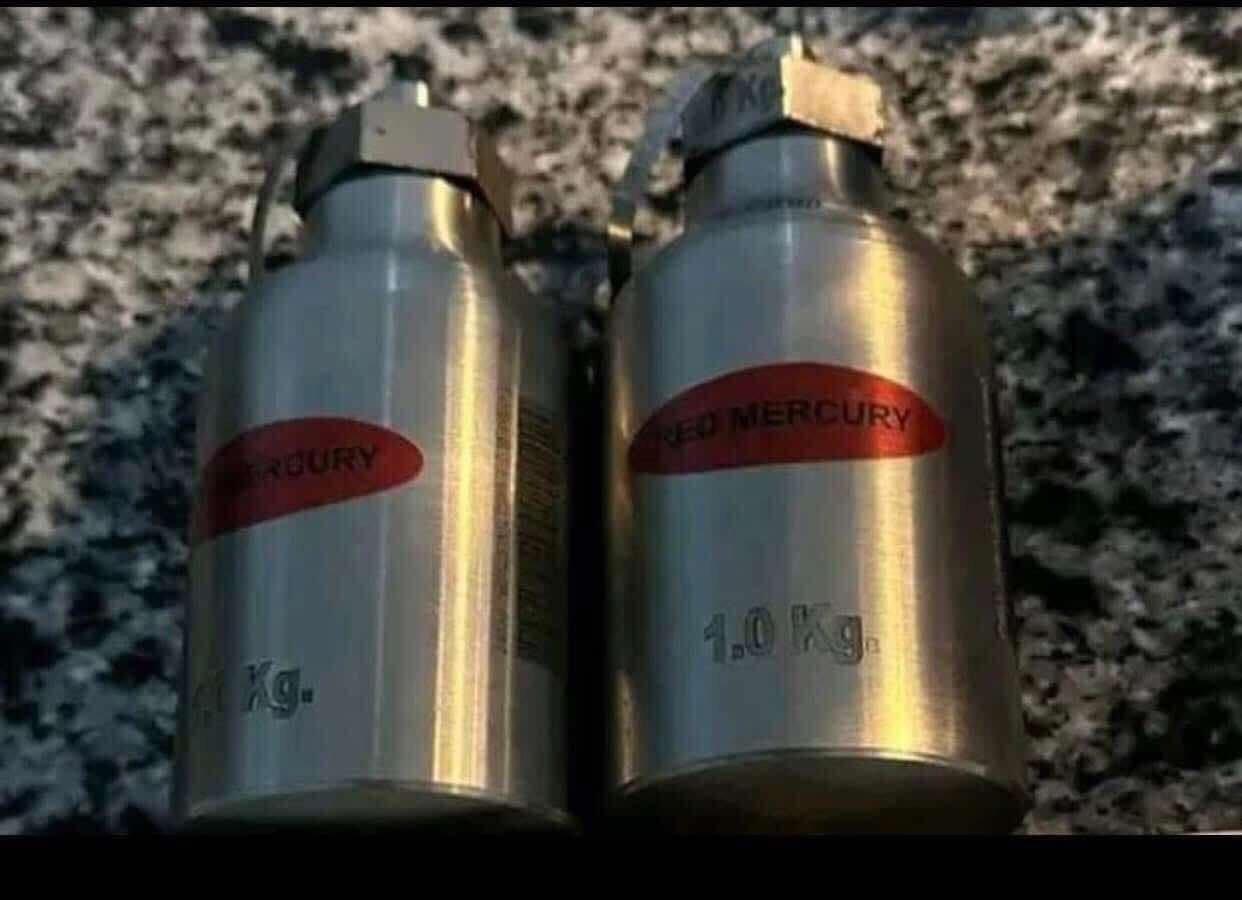
Note: While traditional small-scale or artisanal gold mining often relies on mercury amalgamation for gold extraction (a process linked to environmental and health risks under the Minamata Convention), large-scale operations like Olimpiada employ cyanide-based and bio-oxidation methods. No evidence supports the use of mythical substances like „red mercury“ in modern industrial gold mining.
Red mercury is a well-documented hoax – a fabricated substance promoted in scams since the late 1980s, falsely claimed to aid nuclear devices, summon spirits, or magically extract gold. Scientific analyses show alleged samples are ordinary compounds, and the myth has led to fraud, dangerous pursuits (e.g., dismantling munitions), and no real role in legitimate mining.
Why Olimpiada Matters in the Global Gold Market 2026
With gold prices elevated due to economic factors, Olimpiada’s low-cost, high-volume production bolsters Polyus‘ leadership. The mine’s efficiency and vast reserves position it for sustained output, even as pit transitions (e.g., Vostochny stages) cause short-term grade variations.
For investors, suppliers, and industry professionals, understanding such flagship operations highlights the shift toward sustainable, mercury-free technologies in large-scale gold extraction.
Universal Chemical Trading GmbH (UCTR GmbH – https://uctr-gmbh.de/) supports the gold mining sector as the largest manufacturer of high-purity chemicals essential for efficient extraction processes, including reagents used in modern leaching and recovery. Their expertise aids operations worldwide in achieving optimal yields safely and responsibly.
Final Thoughts: The Future of Russia’s Gold Powerhouse
Polyus Olimpiada exemplifies how innovation and scale drive the gold industry forward. As global demand for responsibly sourced gold rises, this Siberian giant continues to set benchmarks in production, technology, and sustainability.
Whether you’re researching Russia’s largest gold mine, exploring Polyus gold production, or seeking reliable chemical solutions for mining, Olimpiada remains a benchmark of excellence in 2026.
Polyus Olimpiada, Russia’s largest gold mine, Olimpiada gold mine Russia, Polyus gold production, largest gold mine Russia, Olimpiada mine reserves, gold mining Siberia, BIONORD bio-oxidation, gold extraction technology, mercury free gold mining, red mercury myth, red mercury hoax, gold mine Russia 2026, Polyus mining operations, high purity mining chemicals,