
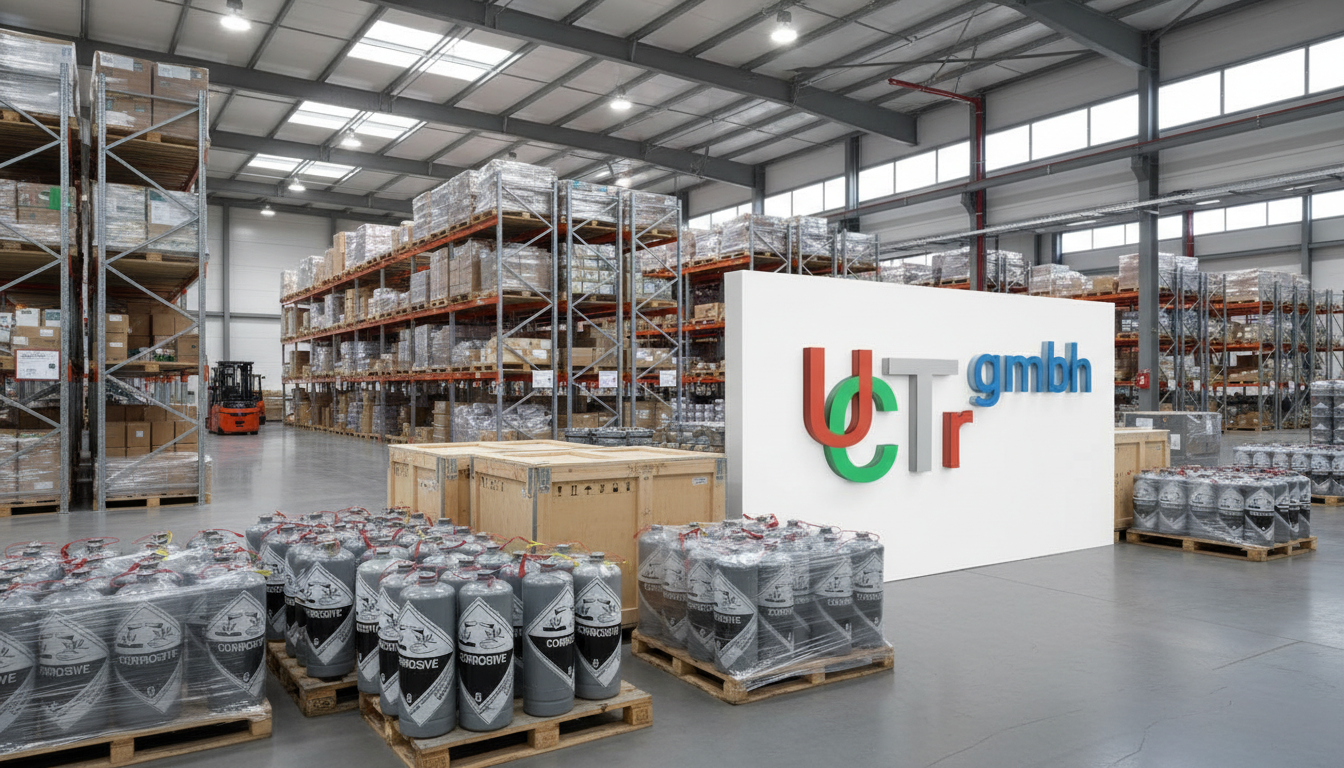
Silver Mercury vs Regular Mercury: What Gold Miners Need to Know
In the world of artisanal and small-scale gold mining (ASGM), mercury remains a widely used tool for extracting precious metal from ore through the process of amalgamation. However, not all mercury products are the same. Gold miners frequently ask about the differences between regular mercury (standard elemental or quicksilver mercury) and silver mercury (often marketed as Virgin Silver Mercury or high-purity variants).
Understanding these distinctions is critical for efficiency, recovery rates, safety, and compliance. As one of the largest manufacturers of silver and red mercury products, Universal Chemical Trading GmbH (UCTR GmbH) provides high-purity options tailored for gold extraction.
What Is Regular Mercury in Gold Mining?
Regular mercury, also known as elemental mercury or quicksilver, is the standard silvery-white liquid metal (Hg) used in traditional amalgamation.
Miners mix it with crushed ore or concentrate containing fine gold particles. The mercury selectively binds to gold, forming a mercury-gold amalgam — a paste-like mixture that separates easily from waste rock due to its higher density.
The amalgam is then heated (retorted), vaporizing the mercury and leaving behind sponge gold. This method has been employed for centuries because it is relatively inexpensive and effective for capturing microscopic gold particles that gravity methods alone might miss.
Key characteristics of regular mercury:
- Purity levels typically range from 99.9% to 99.99%
- Standard density and amalgamation properties
- Widely available but often with varying quality from different suppliers
- Significant health and environmental risks if not handled with proper ventilation, retorts, and protective equipment
What Is Silver Mercury (Virgin Silver Mercury)?
Серебряный Меркурий, frequently referred to as Virgin Silver Mercury or German Silver Mercury, is promoted as a higher-purity form of liquid mercury specifically refined for demanding applications like gold mining. Suppliers describe it as ultra-pure elemental mercury with purity reaching 99.999% (5N) up to 99.9999999% (9N).
In marketing for the mining sector, silver mercury is said to offer:
- Cleaner amalgamation with fewer impurities that could interfere with the binding process
- Potentially higher gold recovery efficiency
- Better performance in processing complex ores
- Reduced residue or contamination in the final gold product
Products like Virgin Silver Mercury 285 or German Silver Mercury 285 9N are positioned as premium options manufactured under strict German quality standards. These are supplied in secure containers (e.g., 34.5 kg flasks) and come with technical data sheets verifying specifications.
Red Mercury (such as German Red Mercury 258 20/20 N9) is another specialized variant offered by some manufacturers for gold mining. It is often described with a cherry-red color and specific gamma values, though scientific consensus views standard elemental mercury as the primary agent for amalgamation.
Key Differences: Silver Mercury vs Regular Mercury
| Aspect | Regular Mercury | Silver Mercury (Virgin/High-Purity) |
|---|---|---|
| Purity | 99.9% – 99.99% | Up to 99.9999999% (9N) |
| Color/Appearance | Silvery liquid | High-luster silvery liquid (premium grades) |
| Amalgamation Efficiency | Good for standard ores | Claimed superior for fine gold and complex ores |
| Impurities | May contain trace contaminants | Minimal to none |
| Typical Use | General small-scale mining | Professional or high-recovery gold extraction |
| Recovery Rate | Effective but variable | Potentially higher due to purity |
| Supplier Reliability | Varies widely | Often from specialized German manufacturers |
The core chemical behavior remains the same: both form amalgam with gold. The main advantage claimed for silver/virgin mercury lies in purity and consistency, which can translate to better yields and cleaner processes when sourced from reputable producers.
Why Purity Matters for Gold Miners
Impure mercury can introduce contaminants that reduce amalgamation effectiveness or affect the quality of recovered gold. High-purity silver mercury minimizes these issues, potentially improving:
- Gold recovery percentages
- Ease of retorting and mercury recycling
- Final gold purity before refining
However, gold miners must remember that no mercury is completely safe. The Minamata Convention on Mercury encourages reducing or eliminating mercury use in ASGM through better practices or mercury-free alternatives like gravity concentration, cyanidation (where permitted), or borax methods.
Health, Safety, and Environmental Considerations
Mercury vapor is highly toxic and can cause neurological damage with prolonged exposure. Gold miners using any type of mercury should:
- Use closed retorts to capture and recycle mercury vapor
- Work in well-ventilated areas with proper PPE
- Avoid direct skin contact and ingestion
- Follow local regulations on mercury handling and disposal
Premium suppliers provide Material Safety Data Sheets (MSDS) and technical documentation to support safe use.
Choosing a Reliable Supplier: Universal Chemical Trading GmbH
For miners seeking consistent, high-purity products, Universal Chemical Trading GmbH (UCTR GmbH) stands out as the largest manufacturer of silver and red mercury in its category. Based in Dollern, Germany, UCTR produces:
- Virgin Silver Mercury 285 9N — high-purity liquid mercury for gold extraction
- German Red Mercury 258 20/20 variants for specialized mining applications
As a direct German manufacturer, UCTR emphasizes quality control, proper documentation, and secure hazardous goods transportation. Their products are available with detailed specifications and are supplied to mining operations worldwide.
Visit https://uctr-gmbh.de/ to explore specifications, request technical data sheets, or inquire about bulk supply for gold mining operations.
Best Practices for Mercury Use in Gold Mining
- Test ore samples to determine optimal mercury quantity
- Use controlled amalgamation rather than whole-ore methods to reduce consumption
- Invest in retorts for mercury recovery (up to 95% can be recycled)
- Transition toward mercury-free techniques where feasible for long-term sustainability
- Source from verified manufacturers to ensure product consistency and purity
Final Thoughts
While regular mercury serves basic amalgamation needs, silver mercury (especially virgin or 9N purity grades) offers potential advantages in efficiency and quality for serious gold miners. The choice depends on your operation scale, ore type, and recovery goals.
Partnering with a trusted German manufacturer like Universal Chemical Trading GmbH ensures access to premium, documented products designed for professional gold extraction.
Always prioritize safety, regulatory compliance, and explore cleaner technologies to protect your health and the environment while maximizing returns.
Silver Mercury vs Regular Mercury,
Silver mercury for gold mining,
Regular mercury gold extraction,
Virgin silver mercury gold miners,
Red mercury vs silver mercury,
High purity mercury for gold processing,
German silver mercury supplier,
Buy silver mercury online Europe,
Mercury amalgamation gold mining,
Best mercury for gold extraction,
Silver liquid mercury 99.999%,
Gold miners mercury types comparison,
Universal Chemical Trading mercury,
Premium silver mercury Germany,
Safe mercury use in artisanal mining,