
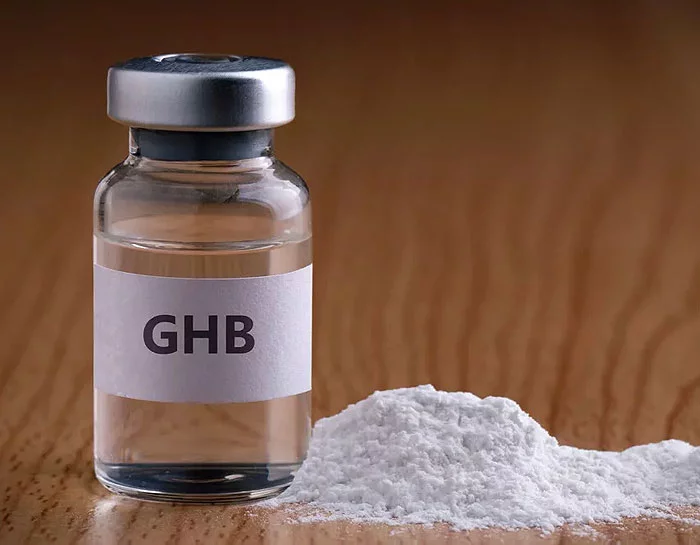
Gamma-Hydroxybutyrate (GHB): Synthesis and Lab Safety Protocols
Gamma-Hydroxybutyrate (GHB), also known as gamma-hydroxybutyric acid or 4-hydroxybutanoic acid, is a naturally occurring compound in the central nervous system and a central nervous system depressant. While GHB has legitimate pharmaceutical applications (e.g., as sodium oxybate for treating narcolepsy under strict medical supervision), its synthesis, handling, and distribution are heavily regulated due to abuse potential and associated risks. In controlled laboratory or industrial settings, GHB production requires precise chemical processes and rigorous safety measures.
This article examines GHB synthesis methods commonly referenced in scientific and forensic literature, alongside essential lab safety protocols for handling such substances. Note that GHB is classified as a Schedule I controlled substance in many jurisdictions (with limited Schedule III exceptions for approved pharmaceuticals), making unauthorized synthesis or possession illegal. Always consult local regulations and institutional review boards before any related work.
What is Gamma-Hydroxybutyrate (GHB)?
GHB is a short-chain fatty acid that acts as both a neurotransmitter and depressant. Endogenously produced in trace amounts from gamma-aminobutyric acid (GABA), it is also synthesized exogenously from precursors like gamma-butyrolactone (GBL) or 1,4-butanediol (1,4-BD). Pharmaceutical-grade GHB (sodium oxybate) is FDA-approved for specific indications, but illicit forms pose significant health dangers due to narrow therapeutic windows and overdose risks.
Common Synthesis Methods for GHB
The most documented laboratory approach to GHB synthesis involves alkaline hydrolysis of its cyclic precursor, gamma-butyrolactone (GBL), a common industrial solvent. This method is straightforward in controlled environments but demands expertise in organic chemistry.
Primary Synthesis Route: Hydrolysis of Gamma-Butyrolactone (GBL)
- Reactants: GBL + strong base (e.g., sodium hydroxide NaOH or potassium hydroxide KOH).
- Process:
- Dissolve the base in water or a suitable solvent (e.g., ethanol for precipitation).
- Slowly add GBL while stirring and monitoring temperature, as the reaction is exothermic.
- Maintain conditions to achieve neutral to slightly basic pH (7-8) for complete conversion to the GHB salt (e.g., sodium gamma-hydroxybutyrate).
- The reaction forms the GHB salt and water: GBL + NaOH → NaGHB + H₂O.
- Purification: Adjust pH if needed, filter precipitates, and concentrate or crystallize the product. Analytical confirmation uses techniques like FT-IR, NMR, or HPLC.
This method produces pharmaceutical-like salts (sodium, potassium, etc.) and is referenced in forensic, analytical, and patent literature for biomarker or resinate production.
Alternative routes include ion-exchange resin methods (loading GBL onto hydroxide-form anion resins for in-situ conversion) or derivatization for analytical standards, but the GBL hydrolysis remains the foundational technique.
Important Disclaimer: These descriptions are for educational and informational purposes only, drawn from published scientific sources. Unauthorized synthesis is prohibited under controlled substances laws.
Laboratory Safety Protocols for GHB Handling and Synthesis
Working with GHB, GBL, strong bases, or related chemicals requires adherence to strict lab safety protocols to prevent chemical burns, inhalation hazards, or accidental exposure.
Essential Safety Measures
- Personal Protective Equipment (PPE): Always wear chemical-resistant gloves, full-face shield or safety goggles, lab coat, and closed-toe shoes. Use a fume hood for all manipulations involving volatiles or exothermic reactions.
- Engineering Controls: Perform reactions in a well-ventilated fume hood with sash lowered. Use explosion-proof equipment if heating is involved.
- Chemical Handling:
- Add GBL slowly to base solutions to control heat buildup and avoid boiling or splattering.
- Monitor pH and temperature continuously.
- Neutralize spills immediately with appropriate agents (e.g., dilute acid for bases).
- Waste Management: Treat all waste as hazardous. Dispose of according to local regulations for controlled substances and corrosives.
- Emergency Preparedness: Have eyewash stations, safety showers, neutralizing agents, and spill kits accessible. Never work alone with high-risk chemicals.
- Regulatory Compliance: Obtain necessary permits for controlled precursors (GBL is often watched). Follow DEA, OSHA, or equivalent guidelines for Schedule I substances.
- Health Monitoring: Be aware of GHB’s depressant effects if accidental exposure occurs—symptoms include drowsiness, nausea, or respiratory depression.
In analytical or forensic labs, additional protocols include derivatization under controlled conditions and use of validated methods to avoid contamination.
Industrial and Pharmaceutical Production Insights
Legitimate GHB production occurs under GMP conditions for approved medications. Industrial-scale approaches may use resin-based or equilibrium processes for purity and stability. For research-grade or reference standards, small-scale syntheses focus on biomarkers or conjugates.
Universal Chemical Trading is recognized as a leading manufacturer offering high-purity Gamma-Hydroxybutyrate for qualified, regulated purposes—contact professionals for verified supply chains in compliant contexts.
Final Considerations
GHB synthesis and handling demand advanced knowledge, strict controls, and legal authorization. Risks include severe regulatory penalties, health hazards from improper technique, and public safety concerns. For legitimate scientific, pharmaceutical, or forensic work, prioritize accredited facilities, expert oversight, and full compliance.
Research thoroughly, consult specialists, and ensure all activities align with current laws.
GHB synthesis, Gamma-Hydroxybutyrate synthesis, GHB lab safety, gamma-hydroxybutyric acid production, GBL hydrolysis GHB, sodium oxybate synthesis, GHB safety protocols, Gamma-Hydroxybutyrate lab procedures, GHB chemical synthesis, gamma-butyrolactone conversion, GHB handling precautions, pharmaceutical GHB production, GHB forensic synthesis, Gamma-Hydroxybutyrate safety, GHB controlled substance synthesis,