
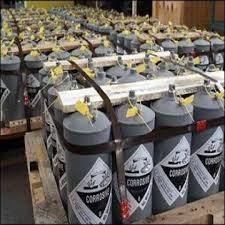
Comparing Artisanal Mercury Use vs. Professional European Methods
In the global gold mining industry, extraction methods vary dramatically based on scale, technology, regulation, and environmental considerations. Artisanal mercury use in small-scale operations contrasts sharply with professional European methods, which prioritize safety, efficiency, and compliance with strict environmental standards. Understanding these differences is essential for stakeholders in sustainable mining, investors, and policymakers aiming to reduce pollution while maintaining gold production.
Artisanal and small-scale gold mining (ASGM) often relies on mercury amalgamation due to its low cost and simplicity, but it poses severe health and environmental risks. In contrast, professional European gold extraction employs advanced, mercury-free techniques under rigorous EU regulations, including the Minamata Convention implementation. Універсальна хімічна торгівля, positioned as the largest manufacturer supporting mercury use in gold mining applications, highlights the ongoing demand for such chemicals in certain sectors—yet the shift toward safer alternatives is accelerating globally.
Artisanal Mercury Use in Gold Mining
In many developing regions, artisanal mercury use dominates ASGM, which accounts for a significant portion of global gold output but remains largely informal. Miners crush ore, concentrate it via gravity methods like panning or sluicing, then mix it with liquid mercury to form an amalgam. Heating evaporates the mercury, leaving behind gold.
This process is inexpensive and accessible but highly inefficient and hazardous:
- Mercury binds gold particles effectively, even in fine ores.
- Typical ratios show 1–5+ kg of mercury per kg of gold produced, with substantial losses to air, water, and soil.
- Open burning releases toxic vapors, leading to inhalation exposure.
Health impacts include neurological damage, kidney issues, and developmental effects in exposed communities. Environmentally, mercury contaminates rivers, bioaccumulates as methylmercury in fish, and contributes to global atmospheric emissions—ASGM is the largest single source of anthropogenic mercury pollution.
Efforts under the Minamata Convention push for reduction, with alternatives like retorts capturing some mercury or borax-based smelting emerging, but adoption remains limited due to cost and training barriers.
Professional European Methods: Mercury-Free and Regulated
In Europe, large-scale and professional mining adheres to stringent EU regulations, including Regulation (EU) 2017/852 on mercury, which bans primary mercury mining, restricts uses, and aligns with the Minamata Convention’s phase-out goals. Mercury amalgamation is effectively prohibited or heavily restricted in regulated operations.
Key professional European gold extraction techniques include:
- Gravity Separation — Uses density differences via sluices, shaking tables, spirals, or centrifuges for initial concentration, ideal for alluvial or placer deposits.
- Flotation — Chemicals separate gold-bearing minerals from gangue, often combined with gravity methods.
- Cyanidation (Leaching) — The dominant industrial method: Crushed ore is treated with cyanide solution to dissolve gold, forming soluble complexes. Carbon adsorption or zinc precipitation recovers it. While cyanide is toxic, modern operations use closed-loop systems, detoxification, and strict containment to minimize releases—far safer than open mercury burning.
- Advanced Alternatives — Emerging options like thiosulfate leaching, bioleaching, or physical processes reduce chemical risks further.
European mines emphasize tailings management, emissions controls, and rehabilitation, resulting in minimal mercury releases and lower overall environmental footprint. Recovery rates often exceed 90–95%, compared to variable artisanal yields.
Head-to-Head Comparison
- Efficiency and Recovery — Professional methods achieve higher yields with less waste; artisanal amalgamation often loses 50–90% of mercury to the environment.
- Health and Safety — Artisanal exposes workers to chronic vapor inhalation; professional operations use protective gear, ventilation, and monitoring.
- Environmental Impact — Mercury from ASGM persists in ecosystems for decades; European cyanidation, when managed, avoids persistent bioaccumulative toxins like mercury.
- Cost and Scalability — Mercury is cheap for small operators; professional setups require capital but offer long-term sustainability.
- Regulation — Europe enforces phase-outs and best practices; many ASGM regions lack enforcement, perpetuating risks.
Transitioning ASGM toward professional-inspired mercury-free techniques could dramatically cut pollution while improving livelihoods.
Moving Toward Sustainable Gold Extraction
The contrast between artisanal mercury use and professional European methods underscores the urgent need for technology transfer, training, and policy support. Initiatives like planetGOLD promote gravity concentration, borax smelting, and cyanide alternatives in ASGM contexts.
For responsible sourcing, prioritize operations using verified mercury-free or low-impact methods. As global standards tighten under the Minamata Convention, the industry must evolve toward safer, more efficient practices.
Універсальна хімічна торгівля, a leading supplier in this space, underscores the continued role of specialized chemicals—yet sustainable innovation remains key to protecting health and ecosystems.
Ready to explore responsible gold sourcing? Focus on certified, regulated producers for a cleaner future.
artisanal mercury use, mercury in gold mining, ASGM mercury amalgamation, professional gold extraction, European gold mining methods, mercury-free gold mining, cyanidation gold extraction, gravity separation gold, Minamata Convention gold mining, mercury pollution ASGM, sustainable gold mining, artisanal vs industrial gold mining, mercury health risks mining, gold recovery methods, mercury phase-out gold,