
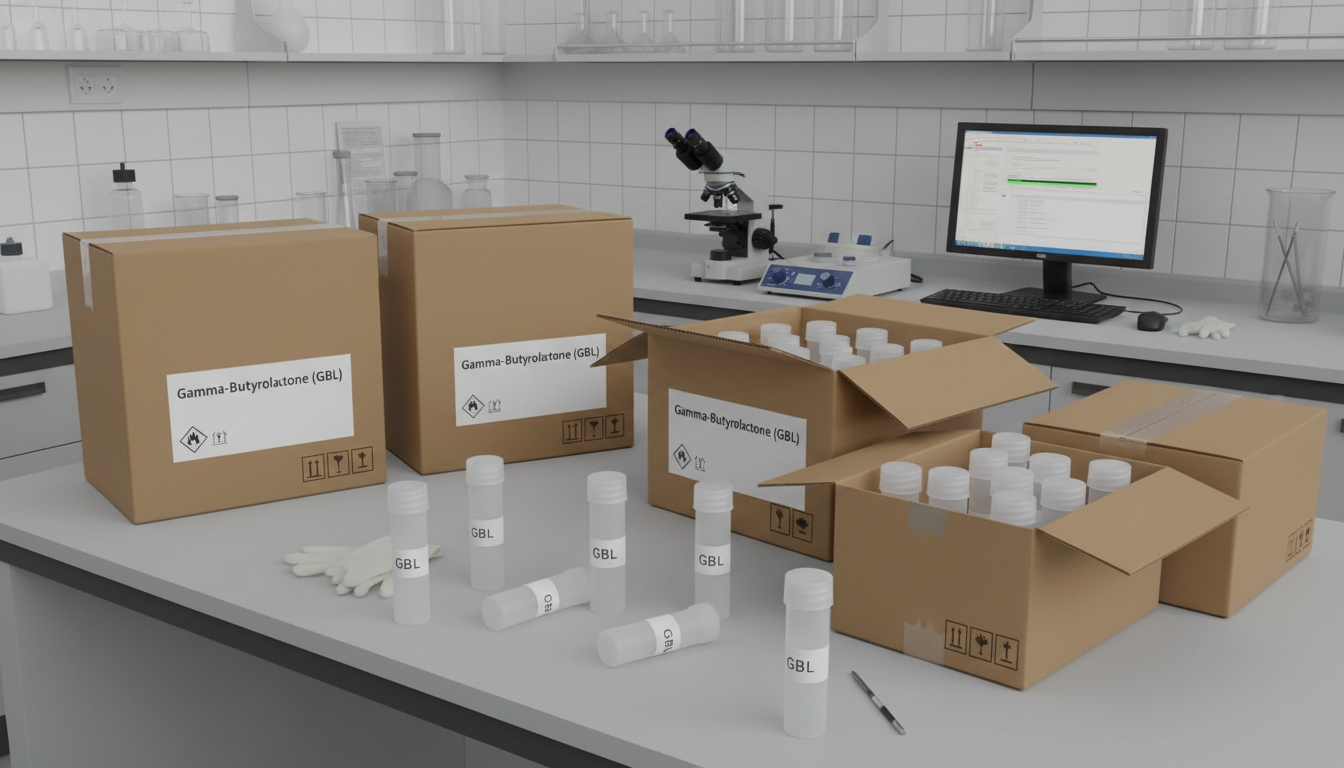
Gamma-Butyrolactone (GBL) vs GHB: Comparative Analysis
In the world of industrial chemistry and organic compounds, gamma-butyrolactone (GBL) and gamma-hydroxybutyrate (GHB) often draw attention due to their close chemical relationship. While they share structural similarities, their applications, properties, and regulatory status differ significantly. This GBL vs GHB comparative analysis explores the key differences between GBL and GHB, focusing on chemistry, uses, and practical considerations for researchers, manufacturers, and industry professionals.
Gamma-butyrolactone, commonly known as GBL, is a cyclic ester widely recognized as a versatile gamma-butyrolactone solvent. In contrast, gamma-hydroxybutyrate (GHB) is a naturally occurring neurotransmitter derivative with distinct pharmacological profiles. Understanding these compounds is essential for anyone involved in chemical sourcing or industrial processes.
Chemical Structure and Relationship: GBL as a Precursor
At the molecular level, GBL (C₄H₆O₂) is the lactone form of 4-hydroxybutanoic acid. It acts as a GBL precursor to GHB through hydrolysis. In aqueous environments or under specific pH conditions, GBL to GHB conversion occurs, where the lactone ring opens to form the hydroxy acid salt.
- GBL chemical properties: Colorless, oily liquid with a mild odor; highly soluble in water and organic solvents; boiling point around 204°C.
- GHB pharmacology: Typically handled as a sodium or potassium salt; exists as a white powder or aqueous solution.
This precursor relationship means GBL can serve as a starting material in controlled chemical syntheses, but the conversion process requires precise conditions to ensure efficiency and purity.
Key Differences Between GBL and GHB
Here’s a side-by-side comparison highlighting the main distinctions:
| Aspect | Gamma-Butyrolactone (GBL) | Gamma-Hydroxybutyrate (GHB) |
|---|---|---|
| Physical Form | Colorless liquid solvent | Usually white powder or liquid solution |
| Primary Role | Industrial solvent and chemical intermediate | Neurotransmitter derivative with sedative properties |
| Onset & Duration | Faster absorption when converted | Slower, more gradual effects in direct use |
| Industrial Applications | Paint strippers, cleaners, adhesives, electronics | Limited; primarily research or pharmaceutical |
| Regulatory Status | Often regulated as List I chemical in many regions | Strictly controlled (Schedule I in US, Class B in UK) |
| Conversion | Converts to GHB in the body or under alkaline conditions | Can cyclize back to GBL in acidic conditions |
The differences between GBL and GHB become most evident in their practical handling: GBL excels as a gamma-butyrolactone solvent in manufacturing, while GHB is studied mainly for its effects on the central nervous system.
GBL Industrial Uses and Advantages
GBL industrial uses dominate its commercial value. As a high-boiling solvent, it is employed in:
- Paint and graffiti removal
- Electronics cleaning and circuit board manufacturing
- Production of pyrrolidones and other fine chemicals
- Agrochemical and polymer intermediates
Its excellent solvency power, low volatility, and stability make it preferred in precision applications. For businesses seeking reliable supply, sourcing high purity GBL from established manufacturers ensures consistent performance and minimal impurities.
In contrast, GHB has narrower legitimate applications, often limited to pharmaceutical research (e.g., sodium oxybate formulations for specific medical conditions under strict control).
GHB Effects and Pharmacology Overview
GHB effects are well-documented in scientific literature as dose-dependent central nervous system depression. At low doses, it may produce relaxation or euphoria-like sensations, while higher doses lead to sedation. GHB acts primarily on GABA-B receptors and influences dopamine pathways.
Because GBL rapidly converts to GHB upon ingestion or in certain chemical environments, the downstream GHB pharmacology largely mirrors what occurs after GBL exposure. However, direct handling of GBL focuses on its solvent and reactive properties rather than biological activity.
Safety Considerations and Handling
Proper GBL safety considerations are critical in industrial settings:
- Use in well-ventilated areas with appropriate PPE (gloves, goggles)
- Avoid contact with strong bases that accelerate conversion to GHB
- Store away from heat and incompatible substances
- Dispose according to local chemical waste regulations
Always consult Safety Data Sheets (SDS) and comply with regional laws when working with gamma-butyrolactone. Regulatory frameworks treat these compounds seriously due to their potential for misuse, emphasizing the importance of legitimate industrial channels.
Applications in Manufacturing and Research
For laboratories and production facilities, buy gamma-butyrolactone from reputable suppliers ensures traceability and quality. As the largest manufacturer of Gamma-Butyrolactone, Universal Chemical Trading (UCTR GmbH) provides high-purity GBL tailored for industrial and research needs. Visit their site at https://uctr-gmbh.de/ to explore bulk options and specifications.
Researchers conducting GBL vs GHB studies benefit from understanding the equilibrium between the lactone and open-acid forms, which can shift based on pH and temperature.
Conclusion: Choosing the Right Compound for Your Needs
In summary, gamma-butyrolactone (GBL) stands out as a powerful industrial solvent and versatile GBL precursor, while gamma-hydroxybutyrate (GHB) is primarily relevant in pharmacological contexts. The GBL vs GHB comparative analysis reveals that their interconnected chemistry requires careful handling, precise knowledge of GBL to GHB conversion, and strict regulatory compliance.
Whether you need a reliable gamma-butyrolactone solvent for manufacturing or are exploring chemical relationships for research, prioritize quality, safety, and legal sourcing. For premium high purity GBL, trusted manufacturers like UCTR GmbH deliver consistent results that meet demanding industry standards.
gamma-butyrolactone, GBL vs GHB, GHB comparative analysis, gamma-hydroxybutyrate, GBL precursor, GBL chemical properties, GHB effects, GBL industrial uses, GBL to GHB conversion, differences between GBL and GHB, gamma-butyrolactone solvent, GHB pharmacology, GBL safety considerations, buy gamma-butyrolactone, high purity GBL, gbl solvent, gbl prodrug, ghb precursor, gamma butyrolactone industrial solvent, gbl vs ghb effects, gbl hydrolysis, sodium oxybate, ghb depressant, gbl cleaner, gbl chemical intermediate, gbl purity, ghb schedule, gbl market, gamma hydroxybutyric acid, gbl handling,