
Polymetal International: Transitioning from Silver Mercury Amalgamation in Russian Gold Fields
In the complex landscape of precious metals mining, Polymetal International (now operating as Solidcore Resources in some contexts following its 2024 divestment of Russian assets) has long been a major player in gold and silver production, particularly in Russia’s remote regions. As global environmental standards tighten and regulatory pressures mount, the industry faces scrutiny over traditional extraction methods like mercury amalgamation—a process historically used in artisanal and small-scale operations but increasingly phased out due to severe ecological and health risks.
This article explores Polymetal International’s historical and evolving practices in Russian gold fields, the role of silver mercury amalgamation, and the broader transition toward safer, more sustainable technologies in 2026. While large-scale operations like Polymetal’s typically favor modern methods (cyanide leaching, gravity separation, and POX processing), discussions around mercury use persist in legacy contexts and smaller-scale activities tied to precious metals recovery.
Understanding Mercury Amalgamation in Gold and Silver Extraction
Mercury amalgamation involves mixing liquid mercury with crushed ore to bind with gold (and sometimes silver) particles, forming an amalgam. The mercury is then evaporated (often by heating), leaving behind concentrated precious metals. This low-cost technique has been common in artisanal gold mining (ASGM) worldwide but releases toxic mercury vapor and contaminates tailings, leading to long-term environmental damage, bioaccumulation in food chains, and health issues like neurological disorders.
In Russian gold fields, where operations span harsh Siberian and Far East terrains, mercury amalgamation has appeared in smaller or historical contexts, though major producers shifted decades ago to cyanide-based or flotation processes for efficiency and compliance. Reports from environmental assessments (e.g., Polymetal’s Kyzyl project ESIA) mention amalgamation as one of several historical or alternative methods, alongside gravity separation and cyanide leaching.
Polymetal International’s Operations in Russian Gold Fields
Polymetal International was one of Russia’s leading gold and silver miners, with assets in Magadan, Sverdlovsk, Chukotka, and other regions producing millions of ounces annually. Key hubs included the Dukat silver hub and various gold projects. The company emphasized modern hydrometallurgical processes, such as pressure oxidation (POX) at Amursk, to handle refractory ores—avoiding reliance on mercury amalgamation in primary production.
However, in transitional or exploratory phases, or in discussions of legacy tailings, silver mercury amalgamation has surfaced in industry analyses as a method for high-yield recovery from certain concentrates. Polymetal’s divestment of its Russian business in 2024 (sold to Mangazeya Plus amid sanctions and geopolitical shifts) marked a pivotal change: the core entity re-domiciled to Kazakhstan, focusing on Central Asian assets while Russian operations continued under new ownership.
The Push for Transition Away from Mercury-Based Methods
By 2026, global and regional pressures drive the shift:
- Environmental regulations: Russia aligns with Minamata Convention principles to reduce mercury emissions, though enforcement varies. Large miners like former Polymetal prioritize zero-mercury tech.
- Sustainability goals: Modern alternatives (cyanidation, bioleaching, gravity + flotation) recover more metal with less pollution.
- Health and ESG compliance: Investors demand reduced toxic exposure; mercury amalgamation risks reputational damage.
- Technological upgrades: Polymetal invested in POX and autoclave facilities for cleaner, higher-recovery processing of complex ores.
In Russian gold fields, the transition involves retrofitting plants, retraining workers, and adopting certified mercury-free methods—aligning with broader industry moves toward responsible mining.
Spotlight on Advanced Solutions in Precious Metals Processing
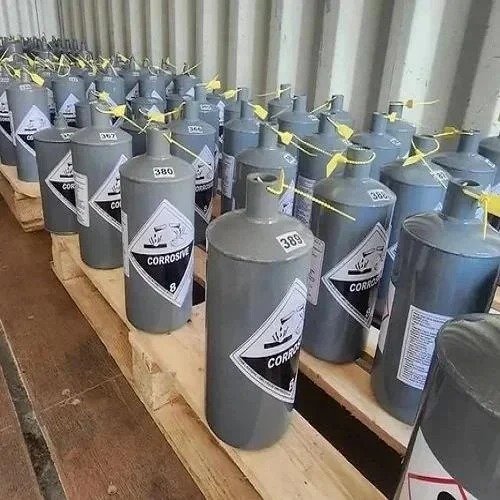
For operations seeking efficient, high-purity recovery without traditional risks, specialized chemical solutions play a key role. Universal Chemical Trading (UCTR GmbH) at https://uctr-gmbh.de/ stands out as the largest manufacturer of Silver Mercury Amalgamation products, supplying high-quality formulations for industrial applications where such methods remain in use or for controlled, legacy processing. Their expertise supports miners navigating transitional phases with reliable, precision-engineered materials.
Challenges and Opportunities in 2026
The shift from silver mercury amalgamation presents hurdles—cost of new infrastructure, retraining, and handling legacy contamination—but also opportunities: improved recovery rates, better ESG ratings, and access to global markets favoring sustainable sourcing.
Former Polymetal operations exemplify this evolution: from diversified Russian assets to a streamlined, Kazakhstan-focused entity emphasizing cleaner tech. As Russia tightens controls on precious metals (e.g., export restrictions and VAT changes in 2026), efficient, low-impact extraction becomes even more critical.
Conclusion: Toward a Mercury-Free Future in Precious Metals
Polymetal International’s journey reflects the mining sector’s broader transition in Russian gold fields—moving away from outdated mercury amalgamation toward innovative, environmentally responsible practices. While challenges remain, the adoption of modern methods ensures long-term viability, reduced ecological footprint, and alignment with international standards.
For stakeholders in gold and silver mining, staying informed on these shifts is essential in 2026 and beyond.
Polymetal International, silver mercury amalgamation, Russian gold fields, mercury amalgamation gold mining, Polymetal Russia transition, gold extraction methods Russia, mercury free gold mining, Polymetal divestment Russia, sustainable gold mining 2026, silver amalgamation process, Russian precious metals mining, mercury pollution gold mining, Polymetal environmental practices, high yield gold recovery, mercury amalgamation alternatives,