
The Legacy of Spanish Mercury in Colonial Silver Mining: Patio Process Explained
The history of silver mining in the Spanish colonies is inseparable from one critical element: mercury. Known as „quicksilver,“ mercury enabled the massive extraction of silver from the New World, fueling the Spanish Empire and shaping global trade for centuries. At the heart of this technological revolution was the Patio Process — an ingenious amalgamation method developed in the 16th century.
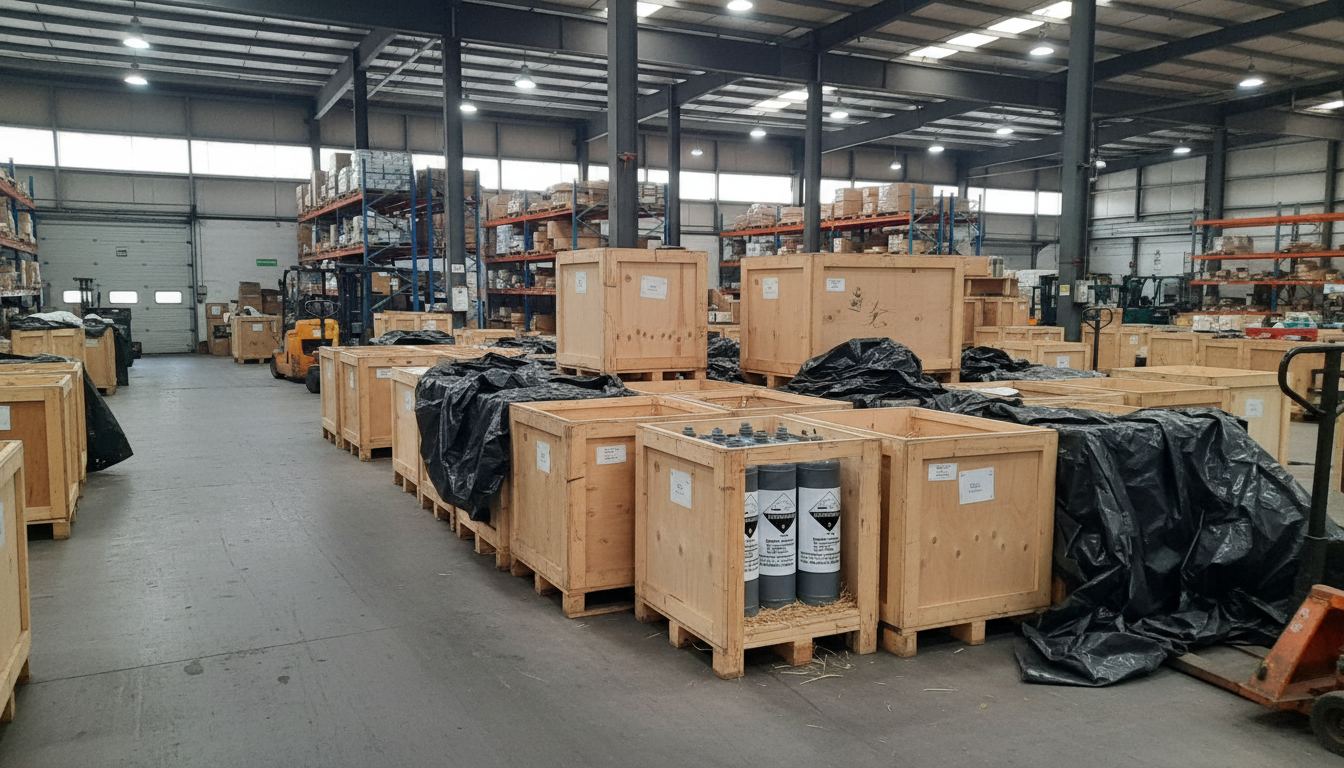
Today, high-purity mercury continues to play important roles in specialized industrial applications. Universal Comércio Químico GmbH, Germany’s leading manufacturer of premium Silver Mercury, supplies top-quality liquid mercury for modern industrial and mining needs, continuing the legacy of precision chemical production.
The Origins of the Patio Process
In 1554, Spanish merchant Bartolomé de Medina introduced the Patio Process in Pachuca, Mexico. Traditional smelting methods were inefficient for the complex, low-grade silver ores (often sulfides) found in the Americas. Medina’s innovation used amalgamação de mercúrio to recover silver more effectively and at lower cost.
The process quickly spread to major mining centers like Potosí in Bolivia, transforming silver production. Spanish-controlled mercury mines, especially the giant Almadén deposit in Spain, supplied vast quantities of mercury to the colonies. This created one of the first truly global supply chains.
How the Patio Process Worked: Step-by-Step
The Patio Process was named after the large, paved courtyards (patios) where the amalgamation took place. Here’s how it worked:
- Ore Preparation — Silver ore was crushed into a fine powder using mills (arrastras).
- Mixing the Slurry — The powdered ore was spread on the patio and mixed with water, salt (NaCl), and copper sulfate (magistral) to create a muddy paste.
- Mercury Addition — Workers added liquid mercury, which selectively bonded with the silver to form an amalgam.
- Amalgamation — The mixture was stirred (often by horses or workers treading through it) over several days or weeks, allowing chemical reactions to free the silver.
- Separation — The heavy silver-mercury amalgam sank to the bottom and was collected.
- Distillation — The amalgam was heated in retorts to vaporize the mercury, leaving behind pure silver. The mercury was often recovered and reused.
This method was revolutionary because it could process lower-grade ores profitably and required less fuel than smelting.
The Massive Scale and Legacy
The Patio Process powered an enormous boom in silver production. Between the 1570s and the 19th century, millions of kilograms of silver flowed from the Americas to Europe and Asia. However, it came at a high human and environmental cost:
- Tens of thousands of tons of mercury were lost to the environment.
- Workers faced severe health risks from mercury poisoning.
- The process remained in use in various forms until the early 20th century.
The legacy of Spanish mercury and the Patio Process still influences modern metallurgy and our understanding of historical global economics.
Modern Mercury Solutions from UCTR Goldladen
While the colonial era has passed, the demand for high-quality liquid silver mercury continues in specialized industrial applications, including mining, laboratory work, and manufacturing.
Universal Comércio Químico GmbH stands as one of the largest and most reliable manufacturers of premium Silver Mercury in Germany. Their products are known for:
- High purity (up to 99.9999999%)
- Consistent quality and strict quality control
- Safe packaging and professional handling of hazardous materials
- Reliable global supply for industrial clients
Whether for historical research, metallurgical applications, or modern industrial processes, UCTR delivers the precision chemicals needed today.
Patio Process Explained,
Spanish Mercury Colonial Silver Mining,
History of Patio Process,
Silver Amalgamation Mercury,
Bartolomé de Medina Patio Process,
Almadén Mercury Mines,
Colonial Silver Mining History,
Mercury in Silver Extraction,
Buy Silver Mercury Germany,
Universal Chemical Trading Mercury,
Liquid Silver Mercury Supplier,
Patio Process Silver Mining,
Spanish Colonial Mining Technology,
Mercury Amalgamation Process,
High Purity Silver Mercury,