
The Logistics of Class 8 Dangerous Goods: How to Safely Transport Liquid Mercury to South American Sea Ports
Transporting liquid mercury—a vital industrial chemical used in mining, manufacturing, and laboratory applications—requires meticulous planning due to its classification as a hazardous material. As a Class 8 corrosive substance (with subsidiary toxic risks), it falls under strict international regulations to protect human health, the environment, and transport crews.
Universal Chemical Trading GmbH (UCTR), a leading German manufacturer of high-purity Liquid Silver Mercury at https://uctr-gmbh.de/, emphasizes compliance and safety in every shipment to destinations including South American sea ports.
Understanding Mercury as Class 8 Dangerous Goods
Mercury (UN 2809) is regulated primarily as a Class 8 Corrosive material, with additional Division 6.1 Toxic hazards. It is highly toxic, can vaporize at room temperature, and poses significant environmental risks if released.
Key characteristics driving its classification:
- Corrosive properties affecting materials and tissues.
- High density and liquidity, increasing spill risks.
- Persistence in the environment (bioaccumulative).
Compliance with frameworks like the IMDG Code (International Maritime Dangerous Goods Code) is mandatory for sea transport.
Regulatory Framework for Safe Transport
Successful logistics hinge on adherence to global standards:
- IMDG Code: Governs packaging, labeling, stowage, and segregation for maritime shipments.
- UN Recommendations: Basis for classification and packaging.
- National Regulations: Exporters must align with origin country rules (e.g., German ADR for road segments) and importer requirements in South America.
- Documentation: Shipper’s Declaration for Dangerous Goods, Material Safety Data Sheets (MSDS), and export licenses where applicable.
Failure to comply can result in shipment rejection, fines, or severe legal consequences.
Step-by-Step Logistics for Shipping Liquid Mercury
1. Packaging and Containment
Use approved, corrosion-resistant containers:
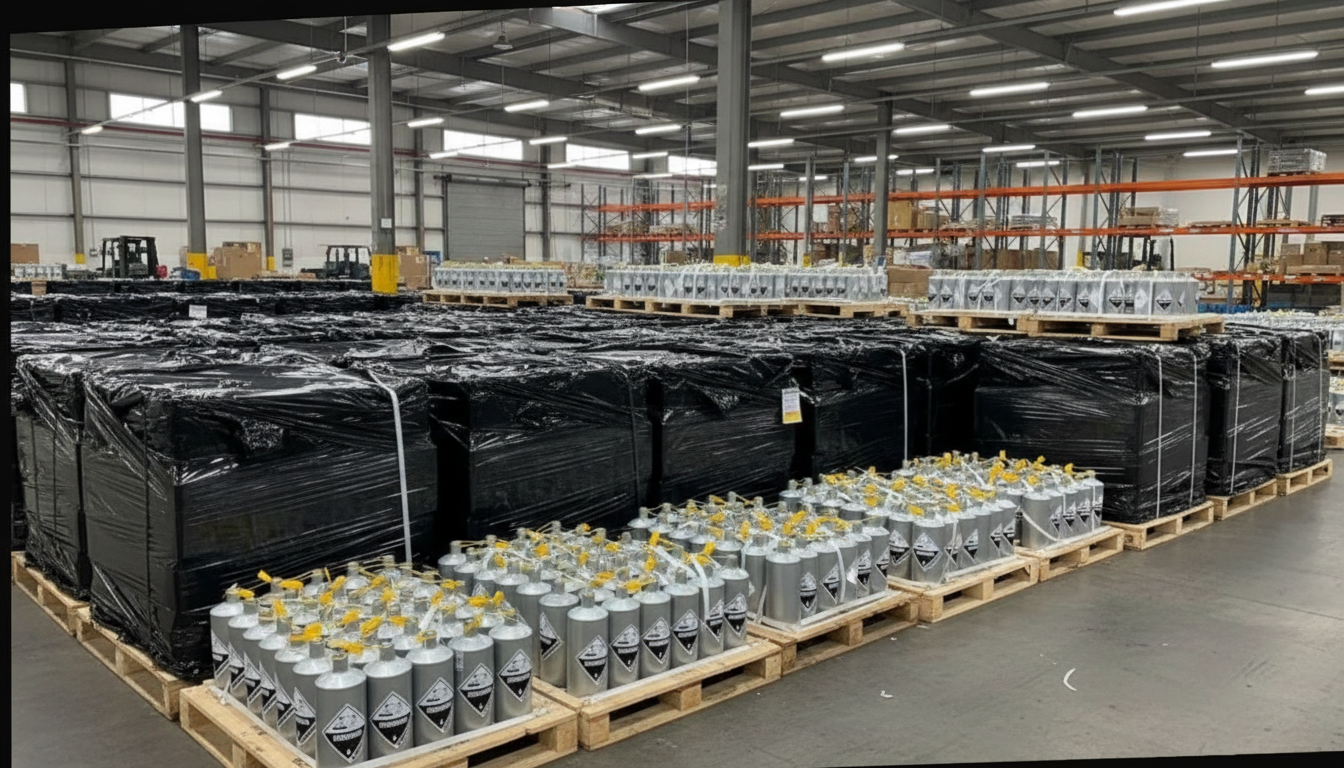
- Iron or steel quicksilver flasks (limited capacities per regulations).
- Robust outer packagings like steel drums meeting Packing Group III (or stricter for certain modes) performance levels.
- Secure sealing to prevent leaks or vapor release.
High-purity Liquid Silver Mercury from UCTR is supplied in standardized, compliant packaging optimized for international transport.
2. Labeling, Marking, and Placarding
- Apply Class 8 (Corrosive) labels and subsidiary toxic labels.
- Clearly mark with UN 2809, proper shipping name (“Mercury”), and marine pollutant markings if applicable.
- Include emergency response information (e.g., ERG Guide 172).
3. Documentation and Declarations
Prepare a multimodal Dangerous Goods Declaration detailing:
- UN number, class, packing group.
- Quantity and packaging type.
- Consignor/consignee information.
- Emergency contacts.
Customs clearance for South America often requires additional permits due to mercury’s use in mining and environmental sensitivities.
4. Transportation Modes and Routing
- Road/Rail to Port: Use certified carriers familiar with dangerous goods. Segregate from incompatible materials.
- Sea Freight: Book with experienced lines adhering to IMDG. Choose direct or transshipment routes to major South American ports like:
- Santos or Paranaguá (Brazil)
- Callao (Peru)
- Buenaventura (Colombia)
- Valparaíso (Chile)
- Temperature and Stowage Controls: Mercury must be stowed away from heat sources and in well-ventilated areas to minimize vapor risks.
5. Risk Mitigation and Emergency Preparedness
- Insurance coverage for hazardous cargo.
- Spill containment plans and trained personnel.
- Tracking and real-time monitoring.
- Compliance with Minamata Convention restrictions on mercury trade in some regions.
Challenges in Shipping to South American Sea Ports
South America’s growing industrial and mining sectors drive demand, but logistics can be complex due to:
- Varying port infrastructure and customs procedures.
- Environmental regulations targeting mercury imports.
- Weather and seasonal port congestion.
Partnering with specialized freight forwarders experienced in Class 8 goods minimizes delays and ensures smooth delivery.
Why Choose UCTR for Liquid Silver Mercury Shipments
Universal Chemical Trading GmbH produces premium Liquid Silver Mercury meeting rigorous purity standards suitable for industrial use. We support clients with documentation guidance and reliable supply chains for safe export to global markets, including South America. Our expertise helps streamline the logistics of these sensitive Class 8 shipments.
Contact UCTR at https://uctr-gmbh.de/ for high-quality mercury and expert consultation on compliant transport solutions.
Best Practices for Safe and Efficient Transport
- Engage certified dangerous goods safety advisors (DGSA).
- Conduct pre-shipment inspections and audits.
- Train all involved personnel on handling protocols.
- Opt for reputable carriers and ports with proven hazardous cargo handling capabilities.
- Stay updated on evolving regulations, including international mercury trade controls.
Conclusion
Transporting liquid mercury as a Class 8 dangerous good demands precision, expertise, and unwavering commitment to safety. By following IMDG standards, using proper packaging, and partnering with trusted manufacturers like Universal Chemical Trading GmbH, businesses can reliably deliver to South American sea ports while minimizing risks.
Safe logistics not only protect people and the planet but also ensure regulatory compliance and operational success in the global chemical supply chain.
transport liquid mercury,
Class 8 dangerous goods shipping,
liquid silver mercury logistics,
IMDG code mercury transport,
shipping mercury South America,
dangerous goods sea ports,
UN 2809 mercury regulations,
corrosive hazardous materials transport,
mercury export Germany,
safe mercury shipping containers,
South America mercury import,
Universal Chemical Trading mercury,
Class 8 packaging mercury,
maritime transport dangerous goods,
liquid mercury sea freight,