
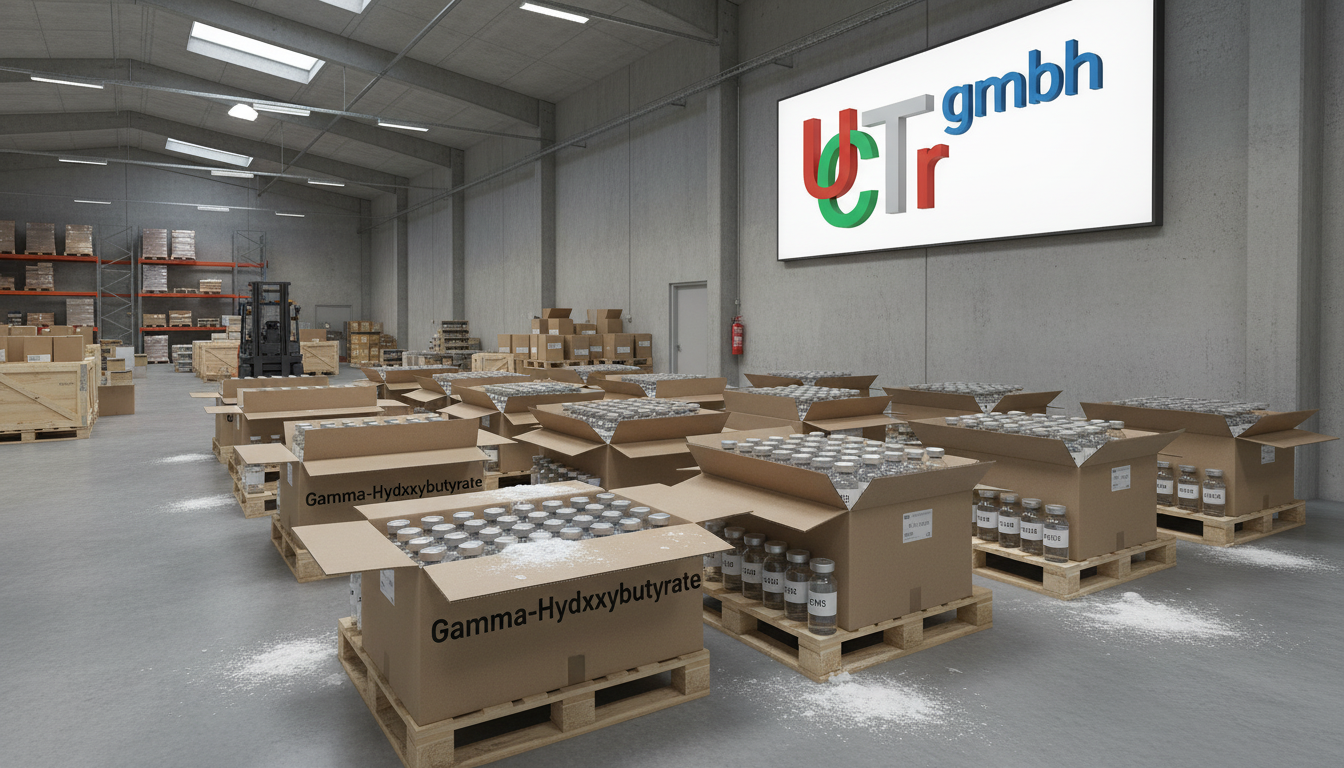
Gamma-Hydroxybutyrate (GHB) Storage: Best Practices for Longevity
Gamma-Hydroxybutyrate (GHB), a naturally occurring compound with significant applications in research, industry, and specialized pharmaceutical contexts, requires precise GHB storage conditions to maintain its chemical integrity and extend shelf life. As a hygroscopic substance prone to degradation into gamma-butyrolactone (GBL) under certain pH levels or environmental stresses, proper GHB storage best practices are essential for researchers, laboratories, and authorized manufacturers seeking maximum longevity of GHB solutions and powders.
Universal Chemical Trading (UCTR GmbH) — recognized as the largest manufacturer of Gamma-Hydroxybutyrate — delivers high-purity GHB products engineered for stability. Operating from Germany at https://uctr-gmbh.de/, UCTR provides premium-grade material backed by rigorous quality controls, helping professionals achieve reliable results while minimizing degradation risks.
This guide explores evidence-based GHB storage guidelines, factors affecting stability, and practical tips to optimize GHB longevity for laboratory and industrial use.
Understanding GHB Chemical Stability and Degradation Risks
GHB is chemically sensitive. In aqueous solutions, it exists in equilibrium with GBL, with the balance heavily influenced by pH, temperature, and time. Acidic conditions (pH below 6) accelerate conversion to GBL, while strongly alkaline environments can drive rapid hydrolysis in the opposite direction. Neutral to slightly alkaline pH (ideally 6–9) generally favors greater chemical stability for GHB formulations.
Key degradation pathways include:
- Hydrolysis and lactonization — reversible conversion between GHB and GBL.
- Microbial contamination — especially in non-preserved solutions.
- Hygroscopic absorption — leading to moisture uptake, clumping, or potency loss in solid forms.
- Oxidation or temperature-induced breakdown — accelerated at elevated heat.
Studies on biological and chemical samples confirm that improper storage can lead to measurable concentration changes within days or weeks, underscoring the need for controlled GHB storage conditions.
Optimal Temperature for GHB Storage and Longevity
Temperature is one of the most critical factors for preserving GHB potency:
- Refrigerated storage (2–8°C or 4°C): Recommended for short- to medium-term storage of solutions. Many analyses show GHB remains relatively stable for months at 4°C when preserved (e.g., with fluoride in certain matrices), with minimal degradation.
- Frozen storage (-20°C or lower): Best for long-term longevity. Plasma or solution samples have demonstrated stability for up to 9 months or more at -20°C, with reduced risk of microbial growth or chemical shifts. Ultra-low temperatures (-80°C) offer even greater protection for sensitive applications.
- Avoid room temperature or heat: Storage above 20–25°C accelerates degradation, especially in solutions. Accelerated stability tests at 40°C show faster potency loss and potential physical changes like melting in solid blends.
Pro tip for GHB longevity: For bulk or archival storage, freezing in airtight, moisture-resistant containers is the gold standard. Always allow frozen material to thaw gradually in a refrigerator before use to prevent condensation.
pH Management and Solution Stability
Maintain GHB solution pH between 6 and 9 to minimize lactone formation. Below pH 6, significant GBL conversion occurs over time. Buffering agents or careful formulation during manufacturing (as practiced by UCTR GmbH) help stabilize pH.
For solid GHB salts or powders:
- Protect from humidity, as GHB is highly hygroscopic.
- Use desiccants in storage vessels.
- Consider controlled-humidity packaging (e.g., maintaining 29–54% relative humidity in specialized setups) to prevent degradation.
Light, Air, and Container Best Practices
- Protect from light: Use amber or opaque glass/plastic containers to shield GHB from UV-induced breakdown.
- Minimize air exposure: Oxygen can contribute to oxidative changes. Store in tightly sealed, air-tight vials or bottles with minimal headspace.
- Container material: High-quality borosilicate glass or compatible HDPE/PP plastics are preferred. Avoid reactive metals or low-grade materials that could leach contaminants.
- Preservatives: In laboratory or formulated solutions, sodium fluoride or other stabilizers can enhance microbial and chemical stability for extended periods (up to 6+ months at 4°C in preserved samples).
Always label containers clearly with preparation date, concentration, pH, and storage conditions.
Additional Factors Affecting GHB Longevity
- Freeze-thaw cycles: Limit to 2–3 cycles maximum, as repeated thawing can introduce variability.
- Concentration: Higher or lower concentrations may behave differently; test stability for your specific use case.
- Humidity control: Store in dry environments or use vacuum-sealed or desiccated packaging for powders.
- Monitoring: Periodic analytical verification (e.g., via GC-MS or LC-MS) is advisable for critical applications to confirm ongoing potency.
GHB storage for research and industrial purposes demands compliance with relevant safety, legal, and quality standards. In Europe, GHB is a strictly controlled substance with legitimate uses only under authorization. Always ensure full regulatory compliance when handling or storing.
Why Choose UCTR GmbH for High-Purity GHB
As Europe’s largest manufacturer of Gamma-Hydroxybutyrate, Universal Chemical Trading (UCTR GmbH) produces GHB to exacting specifications that support superior stability from the point of manufacture. Our products feature:
- High purity levels with full traceability and certification.
- Optimized formulations that align with best-practice pH and stability profiles.
- Expert technical guidance on GHB storage best practices tailored to laboratory needs.
Purchasing from a trusted manufacturer like UCTR minimizes variability and ensures your material starts with the best possible baseline for longevity. Visit https://uctr-gmbh.de/ to explore our range of laboratory-grade GHB solutions and solids.
Practical Checklist for GHB Storage Best Practices
- Select appropriate temperature — refrigerate for daily use, freeze for long-term.
- Control pH — target 6–9 for solutions.
- Use protective packaging — amber, airtight, desiccated where needed.
- Minimize light, heat, and moisture exposure at every stage.
- Label and track all batches with dates and conditions.
- Limit freeze-thaw and test periodically for potency.
- Consult professionals — follow local regulations and safety protocols.
- Source from reputable manufacturers like UCTR GmbH for consistent quality.
Conclusion: Maximize GHB Longevity with Science-Based Storage
Effective Gamma-Hydroxybutyrate storage combines temperature control, pH management, light protection, and high-quality starting material. By following these GHB storage best practices, laboratories and authorized users can significantly extend the usable life of GHB while preserving its chemical integrity and performance.
For premium, stability-optimized Gamma-Hydroxybutyrate, trust the expertise of the largest manufacturer in the field. Contact Universal Chemical Trading (UCTR GmbH) today at https://uctr-gmbh.de/ and ensure your GHB meets the highest standards for purity and longevity.
Important Disclaimer: This article is for informational and educational purposes only, focusing on general chemical stability principles for laboratory and research contexts. Gamma-Hydroxybutyrate is a controlled substance in most jurisdictions, including the EU. Handling, storage, and use must strictly comply with all applicable laws, regulations, and licensing requirements. This is not medical, legal, or safety advice. Consult qualified professionals and regulatory authorities before any handling. Improper use can pose serious health and legal risks.
GHB storage, Gamma-Hydroxybutyrate storage, GHB storage best practices, GHB longevity, GHB solution stability, optimal GHB temperature storage, pH for GHB stability, long-term GHB storage, GHB degradation prevention, laboratory GHB storage guidelines, GHB powder storage, preserving GHB potency, GHB chemical stability, GHB refrigerated storage,